


If you talk to business owners across Canada lately, you’ll hear the same thing again. Something feels off. More suspicious emails. More login alerts. More stories about companies getting locked out of their own systems overnight.
Cyberattacks don’t feel distant anymore. They feel close.
This isn’t paranoia. It’s reality. Cybersecurity threats in Canada are becoming part of everyday business life, whether companies are ready for it or not. What used to sound like a “big company problem” is now showing up in small offices, local firms, and growing organizations that never expected to be targeted.
The next wave of cyberattacks isn’t coming someday. It’s already forming. And businesses that don’t prepare now will feel it first.
What’s Really Happening in Canada Right Now
Canadian businesses are dealing with a mix of old threats and new tricks.
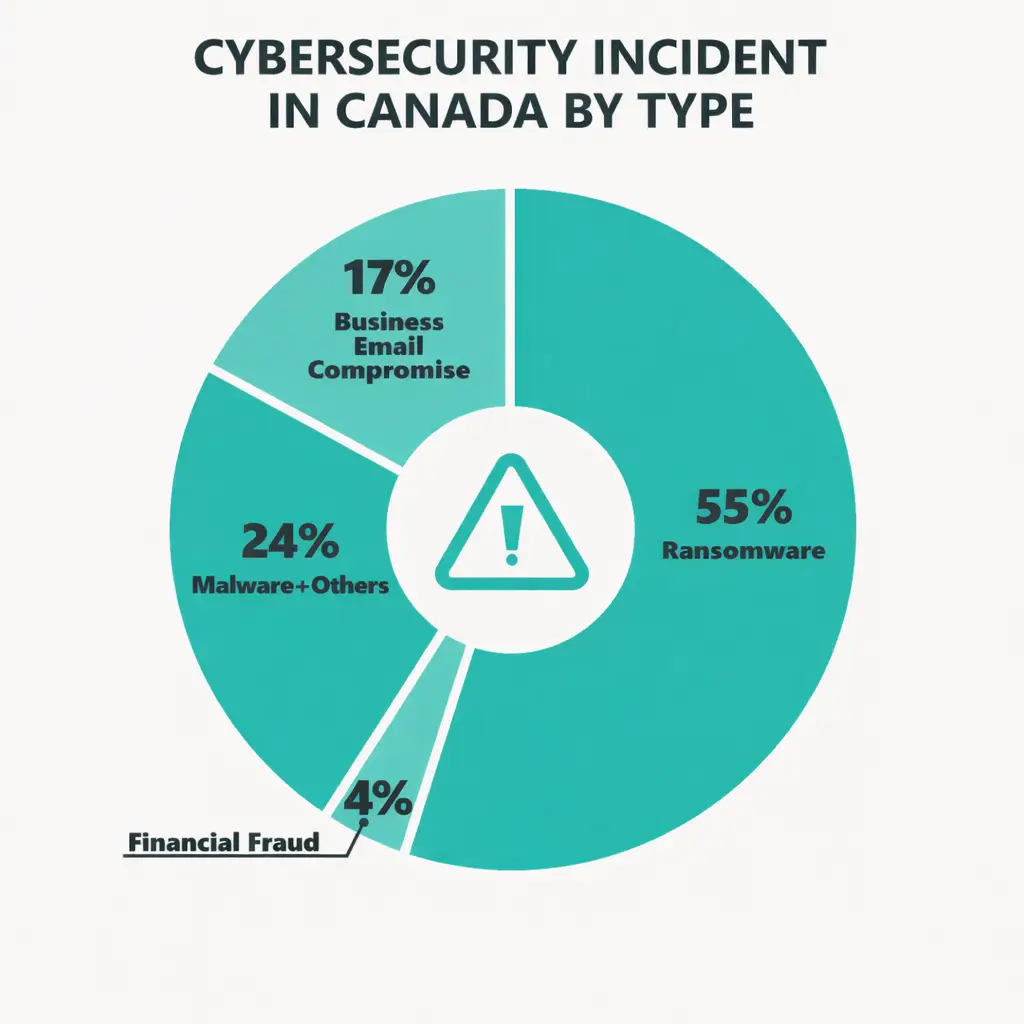
Ransomware attacks are still one of the biggest problems. But they’ve changed. It’s not just about locking files anymore. Attackers steal data first. Then they demand money to keep it private. For businesses handling customer records, financial data, or internal documents, that’s a nightmare scenario.
Then there’s phishing. It’s everywhere. Fake emails that look real. Messages that seem like they’re from vendors, managers, or even clients. One click is often enough.
What surprises many companies is that attackers are not picking targets randomly. They look for businesses that are:
- Growing fast
- Using cloud tools without proper setup
- Relying on outdated systems
- Lacking dedicated IT security services
Canada is attractive because many businesses are digitally advanced but under-protected. That gap is where attackers live.
Where Most Businesses Are Still Exposed
Most companies don’t think they’re careless. And they’re not. But cybersecurity problems often come from normal day-to-day habits.
Passwords get reused. Updates get postponed. Old software stays because “it still works.” Employees rush through emails because they’re busy.
These small things add up.
A lot of businesses rely on basic antivirus software and assume that’s enough. It isn’t. Network security, endpoint protection, and access control need constant attention, not just installation.
Cloud platforms are another big blind spot. Many assume cloud means secure by default. It doesn’t. Cloud security depends heavily on how systems are configured and who has access.
The hardest part? Most companies don’t realize they’re exposed until something breaks.
Why the Next Wave Will Hit Harder
The next wave of cyberattacks won’t look dramatic. It will look normal.
Emails that sound human. Login attempts that don’t raise alarms. Malware that stays quiet for weeks before acting.
Attackers are getting better at blending in. They’re using automation and smarter tools to study behaviour and timing. That makes detection harder and response slower.
Remote work is still a big factor. Home networks, shared devices, and unsecured connections create risks that many businesses haven’t fully closed yet.
There’s also more pressure now after an incident. Customers ask questions. Regulators ask questions. Insurance companies ask questions. A cyberattack today affects more than just systems — it affects trust.
That’s why preparation matters more now than ever.
How Businesses Can Prepare Without Overcomplicating It
Cybersecurity doesn’t have to be overwhelming. But it does need consistency.
Preparation starts with visibility. Knowing what systems you have, who accesses them, and where your data lives. From there, regular updates, monitoring, and backups make a real difference.
This is where managed IT services become valuable. Having professionals actively watching your systems means issues are caught early, not after damage is done.
Companies like PCI Services work with Canadian businesses to handle cybersecurity, IT support, network management, and data protection in a way that fits real operations, not just checklists.
Employee awareness also matters more than most tools. When staff know what to look for, attacks fail faster.
Preparation isn’t about perfection. It’s about reducing risk enough that one mistake doesn’t become a crisis.
Conclusion: Being Prepared Is No Longer Optional
Cyberattacks are part of modern business. Ignoring that doesn’t make it go away.
Canadian businesses that treat cybersecurity as a one-time setup will keep getting surprised. Those who treat it as an ongoing process will stay in control.
The next wave of cyberattacks will reward preparedness and punish assumptions. It will expose weak spots, rushed decisions, and outdated systems.
Investing in IT security, managed IT support, and trusted partners today is not about fear. It’s about stability.
And in a world where downtime and data loss can shut a business down overnight, stability is everything